Central Anatolia • Konya
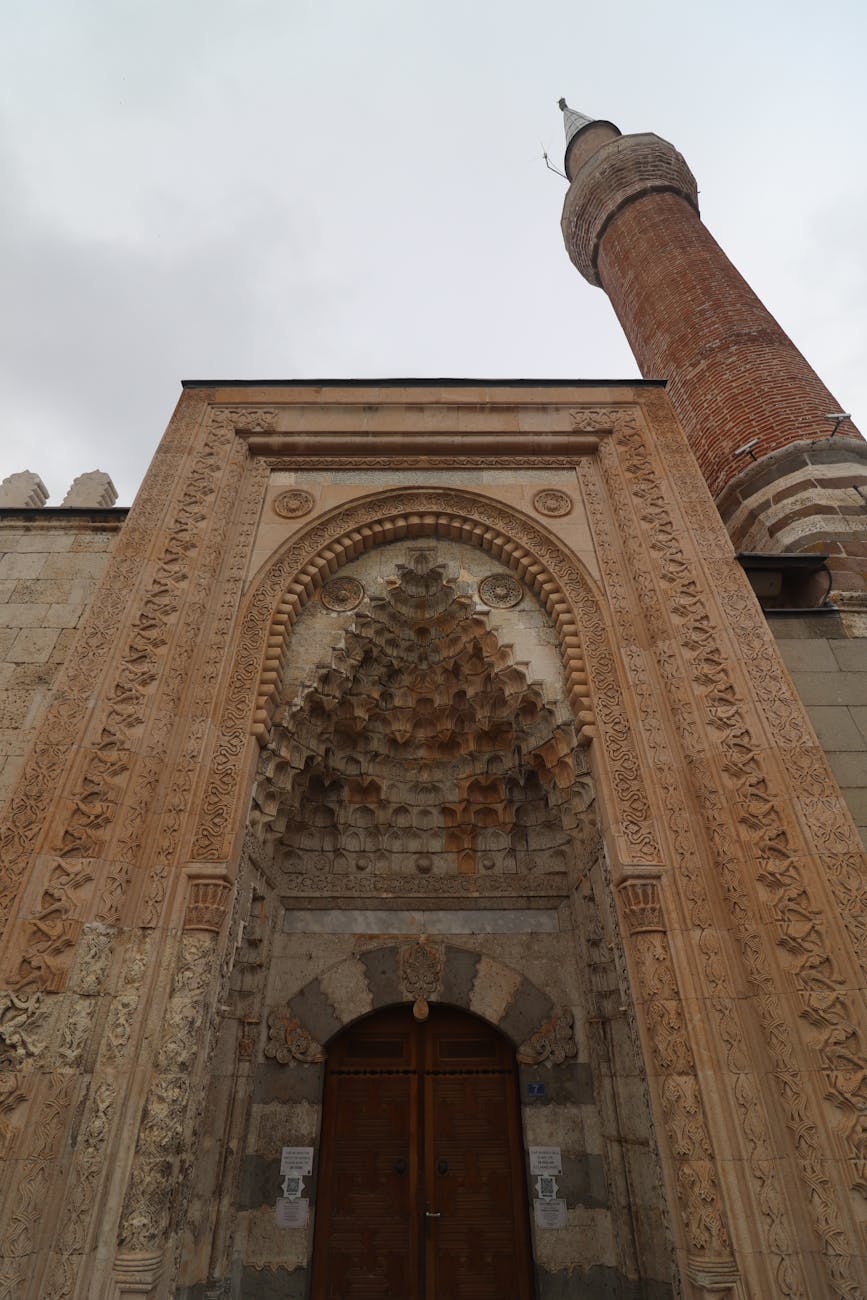
Karatay Medresesi
Karatay Medresesi strengthens Konya's museum trail, connecting local collections with the wider history of the region.
Why it matters
Karatay Medresesi helps anchor Konya in a wider cultural route. Read the stop through what it preserves, what it displays and what it makes easier to notice outside its own walls.
How to read it
Move from object to context: labels, rooms, fragments and nearby streets should work together. The best reading connects the collection with the city rather than treating it as an isolated indoor stop.
Central Anatolia • Seljuk • Ottoman
After the visit, continue with nearby streets, monuments, markets or archaeological traces. A museum becomes stronger when it changes how the surrounding city is read.
Field note
Karatay Medresesi is a planning note, not an official visitor notice or a complete historical source. Use it to understand the approach, setting, nearby stops and route logic before checking current opening hours, access details and local conditions.
① The Hook
Karatay Medresesi gathers fragments of Konya into a sharper cultural frame.
② The Scene
Karatay Medresesi works like a hinge between information and atmosphere. It gathers traces that might otherwise remain scattered, then sends the visitor back into Konya with a better sense of sequence.
③ The Question
How does Karatay Medresesi help the surrounding route make sense?
1-minute story
Karatay Medresesi adds an educational and architectural layer to Konya's cultural map. A medrese is not only a building type; it is a reminder of how knowledge, faith, public life and urban form once met in the same space. Read the courtyard, rooms and thresholds together. They show how learning was shaped by architecture, and how architecture helped define the rhythm of the city around it.
Historical overlap
Approximate dates help the visitor read the target as a stack of time, not a flat label.
Caravanserais, medreses, bridges and carved portals turn the plateau into a network of movement.
Mosques, palaces, bazaars, baths, bridges and military landscapes absorb older sites into a new civic rhythm.
Practical field notes
Before you go
What this page is not
Use this as a field note, not an official notice.
Explore further
This page is a light field note. For fuller story-led routes, browse Turkey road trips or explore the Sign Hunters Atlas.