Mediterranean • Burdur
Burdur Archaeology Museum
Burdur Archaeology Museum gives the lake district a strong museum stop, gathering material from Hacılar, Kuruçay, Höyücek, Kibyra, Sagalassos and other regional sites. Its collections help a road-trip route read Burdur as a deep archaeological landscape rather than only a pause between the Aegean and Antalya.
Why it matters
Burdur Archaeology Museum helps anchor Burdur in a wider cultural route. Read the stop through what it preserves, what it displays and what it makes easier to notice outside its own walls.
How to read it
Move from object to context: labels, rooms, fragments and nearby streets should work together. The best reading connects the collection with the city rather than treating it as an isolated indoor stop.
Mediterranean • Neolithic • Roman • Multi-layered
After the visit, continue with nearby streets, monuments, markets or archaeological traces. A museum becomes stronger when it changes how the surrounding city is read.
Field note
Burdur Archaeology Museum is a planning note, not an official visitor notice or a complete historical source. Use it to understand the approach, setting, nearby stops and route logic before checking current opening hours, access details and local conditions.
① The Hook
Burdur Archaeology Museum slows the city down and lets its older layers come forward.
② The Scene
The value of Burdur Archaeology Museum is not only in what it preserves. It changes the pace of the visit, turning quick sightseeing into a more patient reading of local memory.
③ The Question
How does Burdur Archaeology Museum help the surrounding route make sense?
1-minute story
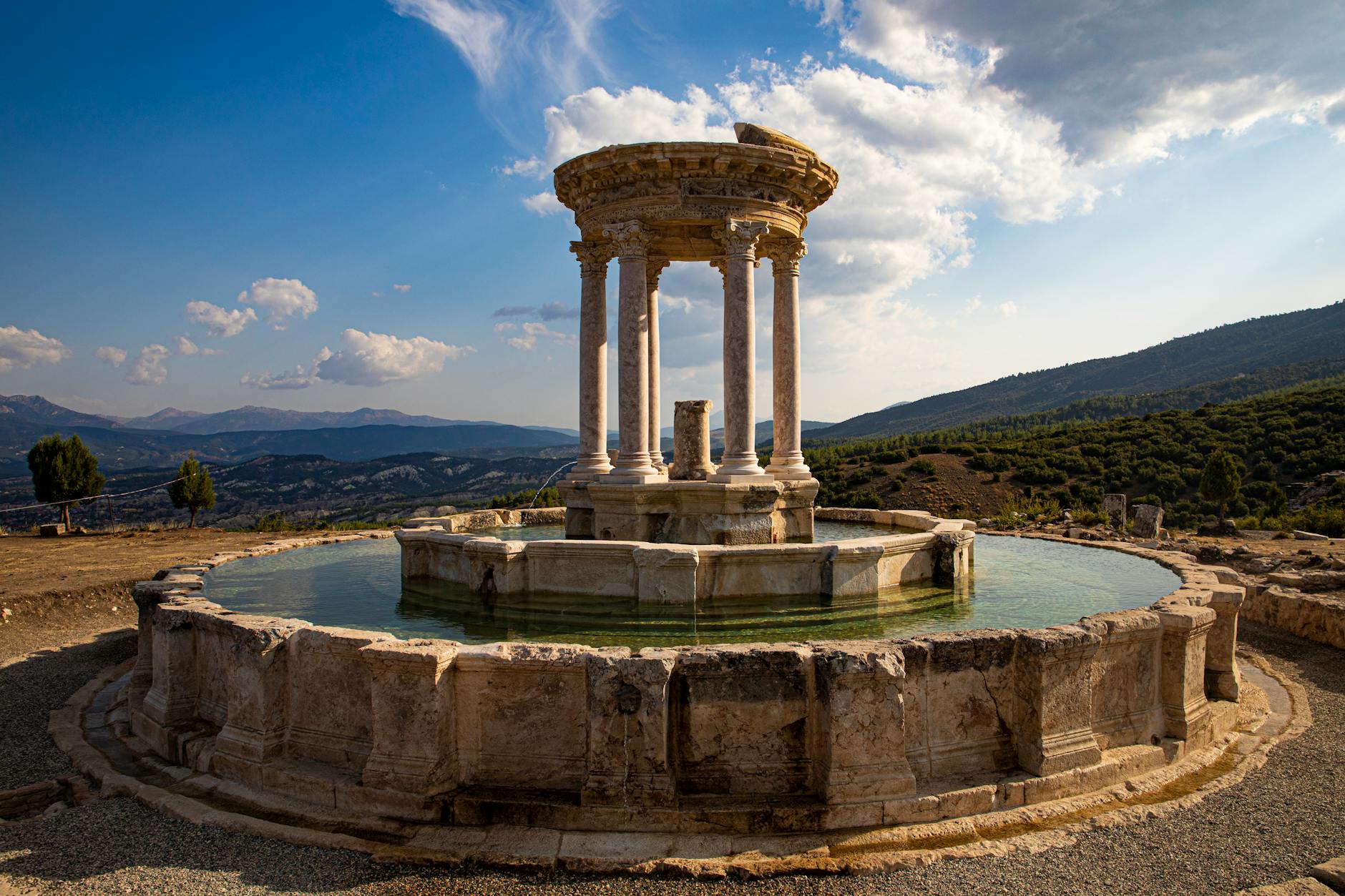
Burdur Archaeology Museum is a compact way to understand why this part of southwest Anatolia keeps appearing in road-trip routes. The museum brings together objects from nearby mounds, ancient cities and regional excavations, including material associated with Hacılar, Kuruçay, Höyücek, Kibyra and Sagalassos. That range matters because Burdur is not only a waypoint near larger ruins; it is one of the places where the surrounding archaeology becomes legible indoors, through sculpture, ceramics, inscriptions and small finds that would otherwise remain scattered across the map. For Sign Hunters, the museum is useful as a bridge stop. A traveller moving between Muğla, Burdur and Antalya can use it to connect landscape with evidence: upland settlements, Roman city life, local cults, funerary forms and the long sequence from prehistoric communities to later classical sites. It also helps explain why Sagalassos and Kibyra should be read as part of a broader regional pattern rather than isolated names. The page is promoted because the record now has specific museum coordinates, source-backed context, a real Commons image and enough description to support an indexed road-trip stop without adding claims about current hours, ticketing, parking or visitor ranking.
Historical overlap
Approximate dates help the visitor read the target as a stack of time, not a flat label.
Ritual, settlement, stone craft and collective memory begin to take physical form in the landscape.
Roads, baths, aqueducts, theaters and marble streets make empire visible at the scale of daily movement.
Several civilizations, faiths or political regimes are visible here at once, making the site less a single monument than a compressed timeline.
Practical field notes
Before you go
What this page is not
Use this as a field note, not an official notice.
Plan a road trip
Use Burdur Archaeology Museum as a road trip starting point.
Open Road Trip mode with Burdur pre-filled, then build stops, overnight bases and driving days around this place.
Nearby places
Continue the hunt nearby
Nearby internal links help travelers turn a single stop into a richer cultural route.