
Eastern Anatolia • Erzurum
Erzurum Grand Mosque
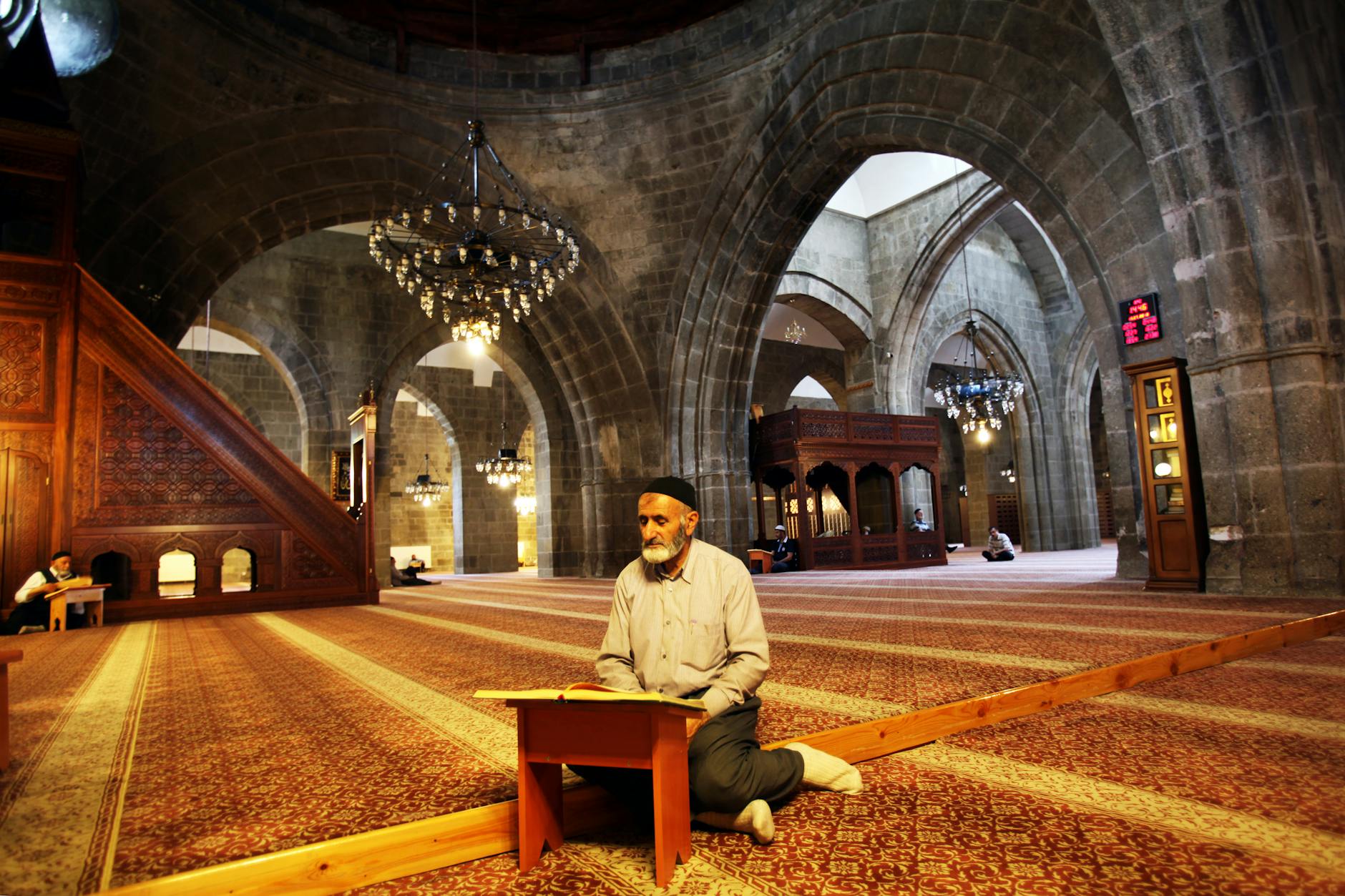
Erzurum Grand Mosque, also known as Atabey Mosque, adds a source-backed faith and architecture stop beside the old Erzurum castle quarter. Official cultural material dates it to the Saltukid period, making it a useful eastern anchor for the Trabzon-to-Erzurum heritage corridor and a distinct companion to nearby Erzurum Castle today.
Why it matters
Erzurum Grand Mosque belongs to the sacred layer of Erzurum, where architecture, ritual and public memory meet. These places often carry more than one period of devotion, repair and political meaning.
How to read it
Read the building through thresholds: entrance, courtyard, interior volume, inscriptions, light and sound. Sacred architecture is often designed as a movement from the ordinary world into a more focused one.
Eastern Anatolia • Saltukid
Nearby links matter here because sacred sites rarely stand alone. They usually belong to a network of streets, fountains, schools, markets, cemeteries or viewpoints that complete the experience.
Field note
Erzurum Grand Mosque is a planning note, not an official visitor notice or a complete historical source. Use it to understand the approach, setting, nearby stops and route logic before checking current opening hours, access details and local conditions.
① The Hook
Erzurum Grand Mosque is where architecture becomes a form of attention.
② The Scene
Erzurum Grand Mosque gives the route a quieter centre. Whether grand or modest, it asks the visitor to treat silence as part of the evidence.
③ The Question
How does Erzurum Grand Mosque help the surrounding route make sense?
1-minute story
Erzurum Grand Mosque is a compact way to read the old city around the citadel. The official culture portal states that the mosque was built in 1179 by Saltukid ruler Nasreddin Aslan Mehmet and is also known as Atabey Mosque. That detail matters for the road-trip builder: it gives the Trabzon-to-Erzurum heritage route a second high-confidence Erzurum stop beyond the castle, with a different kind of historical evidence. The mosque should be read through continuity and urban position. It sits close to the castle and other historic structures, so its value is not only in one building but in the way faith architecture, defensive memory and the old city center sit together. The record avoids present-day visitor claims about access, facilities, safety or prayer schedules. It is written as an editorial field note: a place where travelers can understand Erzurum as a layered frontier city, shaped by medieval dynasties, later repairs and the everyday persistence of sacred architecture in the urban core. For route quality, it fills a sparse heritage segment without pretending to solve practical travel conditions or current site management questions.
Historical overlap
Approximate dates help the visitor read the target as a stack of time, not a flat label.
A visible or inferred layer in the long memory of this target.
Practical field notes
Before you go
What this page is not
Use this as a field note, not an official notice.
Plan a road trip
Use Erzurum Grand Mosque as a road trip starting point.
Open Road Trip mode with Erzurum pre-filled, then build stops, overnight bases and driving days around this place.
Nearby places
Continue the hunt nearby
Nearby internal links help travelers turn a single stop into a richer cultural route.