
Black Sea • Sinop
Sinop Archaeology Museum
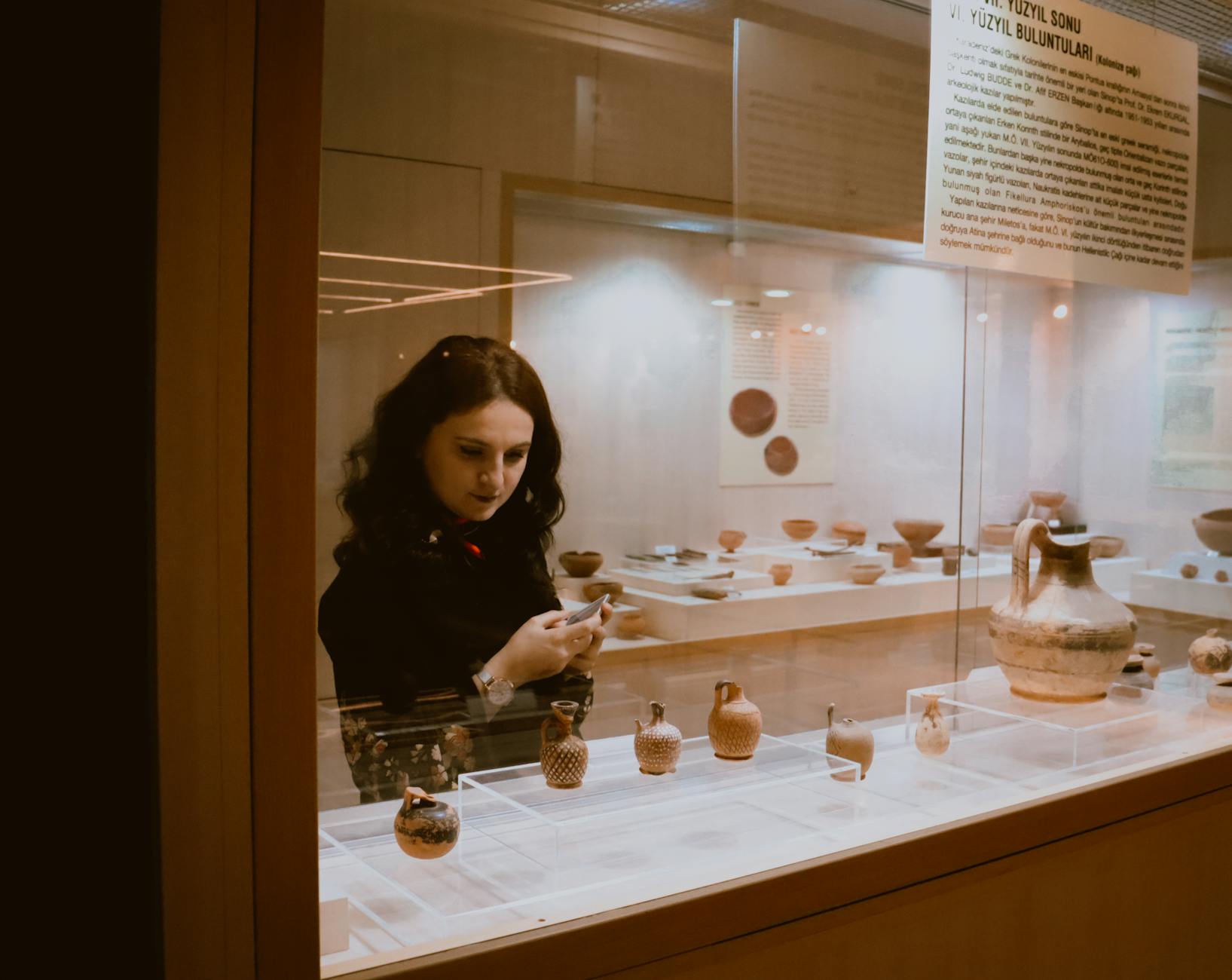
Sinop Archaeological Museum, opened in 1941 and rehoused in 1970, gathers the finds of one of the Black Sea's oldest ports. Its halls and garden hold material from the Hellenistic, Roman and Byzantine layers of Sinope, from amphorae and coins to icons and stonework, on the same peninsula as the historic prison.
Why it matters
Sinop Archaeology Museum helps anchor Sinop in a wider cultural route. Read the stop through what it preserves, what it displays and what it makes easier to notice outside its own walls.
How to read it
Move from object to context: labels, rooms, fragments and nearby streets should work together. The best reading connects the collection with the city rather than treating it as an isolated indoor stop.
Black Sea • Multi-layered
After the visit, continue with nearby streets, monuments, markets or archaeological traces. A museum becomes stronger when it changes how the surrounding city is read.
Field note
Sinop Archaeology Museum is a planning note, not an official visitor notice or a complete historical source. Use it to understand the approach, setting, nearby stops and route logic before checking current opening hours, access details and local conditions.
① The Hook
Sinop Archaeology Museum turns local memory into something the visitor can carry back into the street.
② The Scene
Inside Sinop Archaeology Museum, the visitor is given a temporary map for Sinop. Displays, rooms and objects do not replace the streets outside; they prepare the eye to return to them with more attention.
③ The Question
What becomes clearer after pausing here?
1-minute story
Sinope was one of the oldest and most important Greek colonies on the Black Sea, a peninsula port that controlled shelter and trade on a difficult coast. The Sinop Archaeological Museum is where that long history is made legible. First opened in 1941 and moved to its present building in 1970, it arranges its collection across small-finds and stone halls, an amphora hall, a coin section, an icon hall and a garden lapidary, material that runs from the Hellenistic and Roman periods through Byzantine and Ottoman times. For the coastal route, the museum pairs naturally with the headline stop nearby. The historic prison reads Sinop through confinement and the fortress walls; the museum reads the same peninsula through what was made, traded and buried there. Together they keep the city from being reduced to a single image: Sinope is a port first, and the objects make that plain. For Sign Hunters, the museum is a supporting stop. It does not compete with the prison for attention; it completes it, turning the brown sign into a fuller reading of why this sheltered point on the Black Sea mattered for so long. A short, object-by-object visit grounds the rest of the Sinop stop in evidence.
Historical overlap
Approximate dates help the visitor read the target as a stack of time, not a flat label.
Several civilizations, faiths or political regimes are visible here at once, making the site less a single monument than a compressed timeline.
Practical field notes
Before you go
What this page is not
Use this as a field note, not an official notice.
Plan a road trip
Use Sinop Archaeology Museum as a road trip starting point.
Open Road Trip mode with Sinop pre-filled, then build stops, overnight bases and driving days around this place.
Nearby places
Continue the hunt nearby
Nearby internal links help travelers turn a single stop into a richer cultural route.