
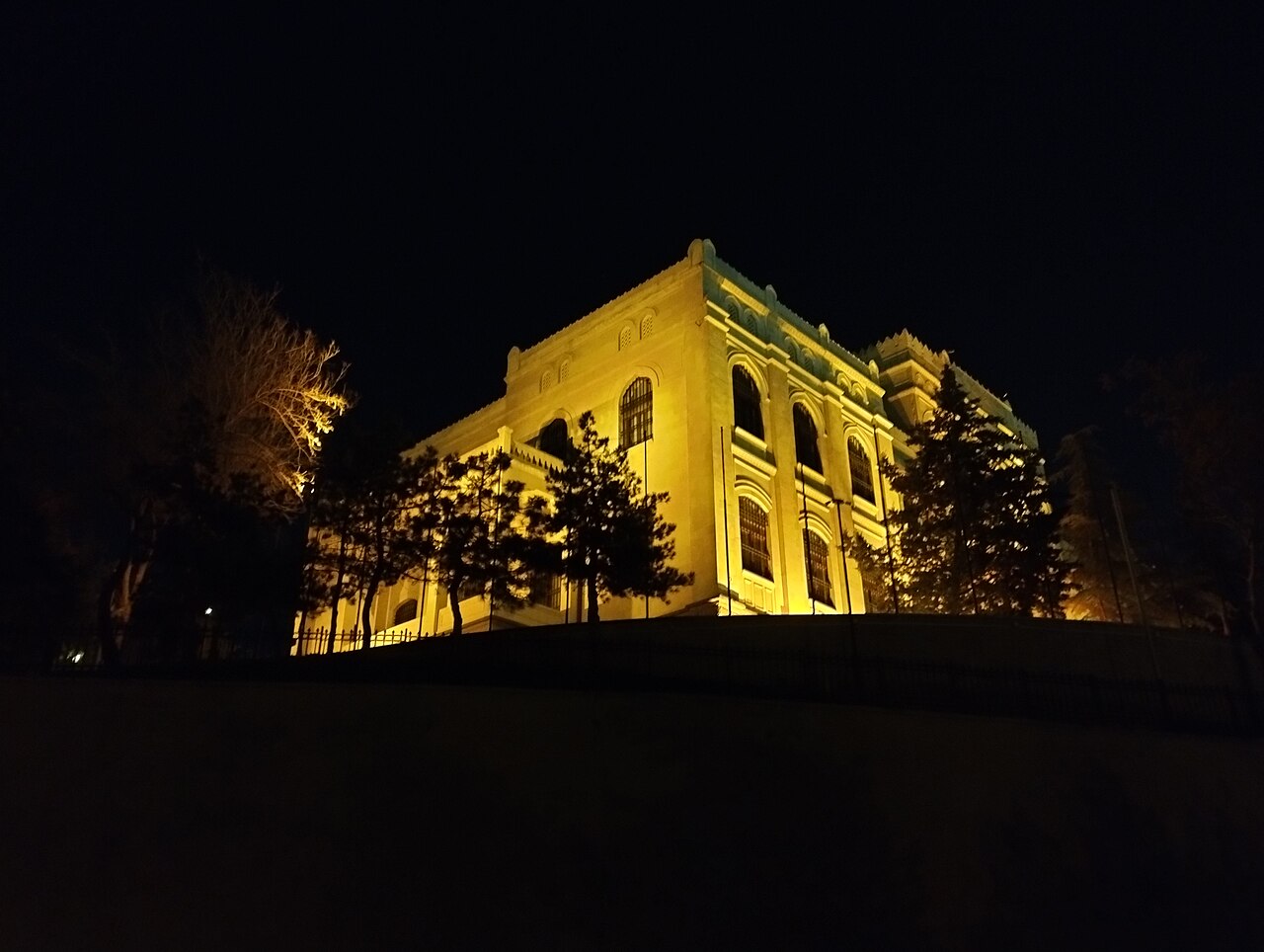
Central Anatolia • Ankara
Ankara Ethnography Museum
Ankara Ethnography Museum adds a focused cultural stop on Namazgah Hill, close to the historic Ulus museum corridor. Its collections and early Republican building connect Anatolian material culture, Turkish art, civic memory and Ankara’s role as a capital where older traditions were gathered into a national museum setting.
Why it matters
Ankara Ethnography Museum helps anchor Ankara in a wider cultural route. Read the stop through what it preserves, what it displays and what it makes easier to notice outside its own walls.
How to read it
Move from object to context: labels, rooms, fragments and nearby streets should work together. The best reading connects the collection with the city rather than treating it as an isolated indoor stop.
Central Anatolia • Republican
After the visit, continue with nearby streets, monuments, markets or archaeological traces. A museum becomes stronger when it changes how the surrounding city is read.
Field note
Ankara Ethnography Museum is a planning note, not an official visitor notice or a complete historical source. Use it to understand the approach, setting, nearby stops and route logic before checking current opening hours, access details and local conditions.
① The Hook
Ankara Ethnography Museum is less a storage of objects than a change in how the city is read.
② The Scene
Ankara Ethnography Museum gives context before the road continues. Its strength is modest but important: it teaches the visitor what kinds of details are worth noticing next.
③ The Question
What does Ankara Ethnography Museum make newly visible in Ankara?
1-minute story
Ankara Ethnography Museum gives the capital a quieter but important museum stop between the Roman, citadel and Republican layers of the old city. Official museum material places it at Hacettepe, near Opera, while the Culture Portal describes a building begun in 1925, completed in 1926 and opened to visitors in 1930. That early Republican setting matters: the museum was part of a wider effort to collect, study and present material culture as Ankara became the centre of the new state. For a road trip, the record works best as context rather than spectacle. The museum’s theme is ethnography: textiles, craft traditions, everyday objects, decorative arts and the cultural memory of Anatolia. It also sits close enough to Ankara Castle, the Roman Baths and the historic Ulus area to help the builder form a coherent Ankara stop cluster instead of using a generic city-centre placeholder. The copy stays deliberately modest: it does not claim current opening hours, ticket details or visitor conditions, but it gives the route enough sourced detail, coordinates and visual support to treat the museum as a real Ankara cultural stop.
Historical overlap
Approximate dates help the visitor read the target as a stack of time, not a flat label.
Excavation, restoration, museums and tourism reframe the target as shared cultural memory.
Practical field notes
Before you go
What this page is not
Use this as a field note, not an official notice.
Plan a road trip
Use Ankara Ethnography Museum as a road trip starting point.
Open Road Trip mode with Ankara pre-filled, then build stops, overnight bases and driving days around this place.
Nearby places
Continue the hunt nearby
Nearby internal links help travelers turn a single stop into a richer cultural route.